Enterprise healthcare consulting

Get a plan your team can act on. In 4–6 weeks.

We help healthcare leaders decide what to do, make the financial case, and put the work into practice. Start with a Roadmap; we stay involved through implementation.

Request a working session

45 minutes to work through your next move.

From the work

Before a new service goes live.

An implementation checklist, excerpted from a 2024 project plan.

Launch requirements

  • Coaching

    New coaching workflows are documented, and have been communicated

  • Coaching

    New workflows have been implemented, and teams have been onboarded/trained

  • Business Operations

    All data and reporting requirements are documented, and team is trained

  • Finance

    Billing workflows are documented, team has been trained

Actual wording, reformatted. Client and staff names, dates, and status details omitted.

What your Roadmap includes
4–6 weeks
A focused first engagement
From $25k
Representative Roadmap fees
$100M+
Built for healthcare system leaders

Trusted by mission-driven healthcare leaders

Where we help

The opportunities that define your future don't care about your org chart.

When a key priority depends on several teams, it needs shared ownership, focused capacity, and real accountability to follow through. That’s where we come in.

Choose an area to explore

Select one to see how we help.

Patient access & admissions

Find where admissions are getting held up.

When inquiries and referrals do not become admissions, the first job is to find where people drop out. We review intake, identify the constraint, and assign the changes needed at each handoff.

What the work produces

An admissions funnel dashboard and an intake improvement plan.

Example format

Admissions funnel reviewWhere does the process slow down?
  1. Referral receivedSource and first response time
  2. First contactReached, missed, or awaiting a reply
  3. AssessmentScheduled and completed
  4. AdmissionConversion and time to start

Review drop-off between stages. Give each handoff an owner.

Case studies

Work delivered
with client teams.

Capital & funding

$50M

Federal grant submission

Moffitt, Speros & regional partners

Our role

Drafted submission and coordinated grant strategy, timelines, and deliverables across partners to support leadership’s pursuit of funding.

Read case study

Patient access

42%

over
15 months

Admissions growth

Mental Health Cooperative · Tennessee

Our role

Connected market strategy, outreach, referral development, and intake conversion, supported by shared dashboards and clear ownership.

Read case study

Care delivery

Lifelong Recovery

Model-of-care redesign

Hazelden Betty Ford Foundation

Our role

Framed the Lifelong Recovery model, co-designed workflows and handoffs, coordinated a research pilot, and built the routines to manage the work.

Read case study

Additional work includes program management, research pilot coordination, commercializing innovation, detailed economic modeling, data analysis, and operating dashboards for national providers. Note: The above results are not a guarantee of your success

How it works

From the first decision to implementation.

Start with your Roadmap. Then decide to build, run, or pause.

Your starting point

Define the work before committing to delivery.

4–6 weeks

Work through the evidence and agree on the first phase.

How we build the Roadmap

  • Review the evidence

    Assess background materials and work through the problem with your leaders.

  • Test the choices

    Compare the operating and economic implications of the available options.

  • Agree on the first phase

    Set the scope, accountable owners, and decisions needed to begin.

The first step / Plan

What your Roadmap includes.

In 4–6 weeks, we turn your initiative into a refreshed strategy, economic model, and execution plan your leadership team and front line can work from. Then we stay with you until it crosses the finish line.

Core deliverables, Phase I

  1. Decision brief

    The recommended priority, alternatives considered, boundaries, and decisions leadership needs to make.

  2. Economic model

    A working model of costs, benefits, and assumptions, with scenarios showing how the case changes.

  3. Leadership briefing

    A presentation explaining the recommendation, financial case, and what each team needs to do.

  4. Implementation plan

    A workstream schedule with named owners, dependencies, and measurable milestones.

Who’s in your corner

Senior practitioners, working alongside your team.

Troy Groenke, CEO of Arden Clark

You work directly with a principal.

Arden Clark embeds principals with deep experience, supported as needed by experts and specialists.

No big company overhead. No handoff to junior staff learning on your dime.

Just decades upon decades of experience growing and improving behavioral health and SUD treatment organizations.

Troy GroenkeCEO, Arden Clark

Email Troy

A strong fit when…

  • You are a leader in a $100M+ healthcare system.Your work spans sites, departments, or P&Ls.
  • The initiative has an executive sponsor and buy-in.And needs shared progress across teams.
  • Senior execution capacity would help you move faster.A right-hand partner who helps design the program and run it.

Early-stage startups and single-site practices are not a good fit.

Work through the fit with us

Before we talk

That's a good question.

Something else on your mind?
Just ask

Do we need to commit to every phase?

No. Start with the Roadmap. Build and Run are separate decisions, based on the economic case and executive sponsorship.

How do you work with our internal teams?

We work alongside your leaders, keep a small external footprint, and use your tools wherever possible. Knowledge transfer is part of Run, so internal owners can carry the work forward.

How will we measure progress?

We define a small set of access, throughput, and economic measures with your finance and operations teams, then review them as the work progresses.

What about confidentiality?

We work within your privacy, security, and compliance frameworks. Patient-identifiable data is only accessed when explicitly required and approved. Please keep patient information out of your initial inquiry.

How is engagement risk managed?

We manage risk through phased statements of work, defined deliverables, and milestones. We do not guarantee financial results. At the end of each phase, both teams review progress and decide what follows.

What happens in the working session?

We spend 45 minutes on your initiative, what is getting in the way, and whether a Roadmap is a useful next step. You do not need to select a fee level or commit to an engagement beforehand.

Make your next move easy

Work it through.

Use 45 minutes with the right partner or principal to work through what you’re trying to accomplish, what’s getting in the way, and what the right next step looks like.

Request a working session

Meet the principals

Swipe to explore the team, or use the arrow buttons and keyboard arrow keys.

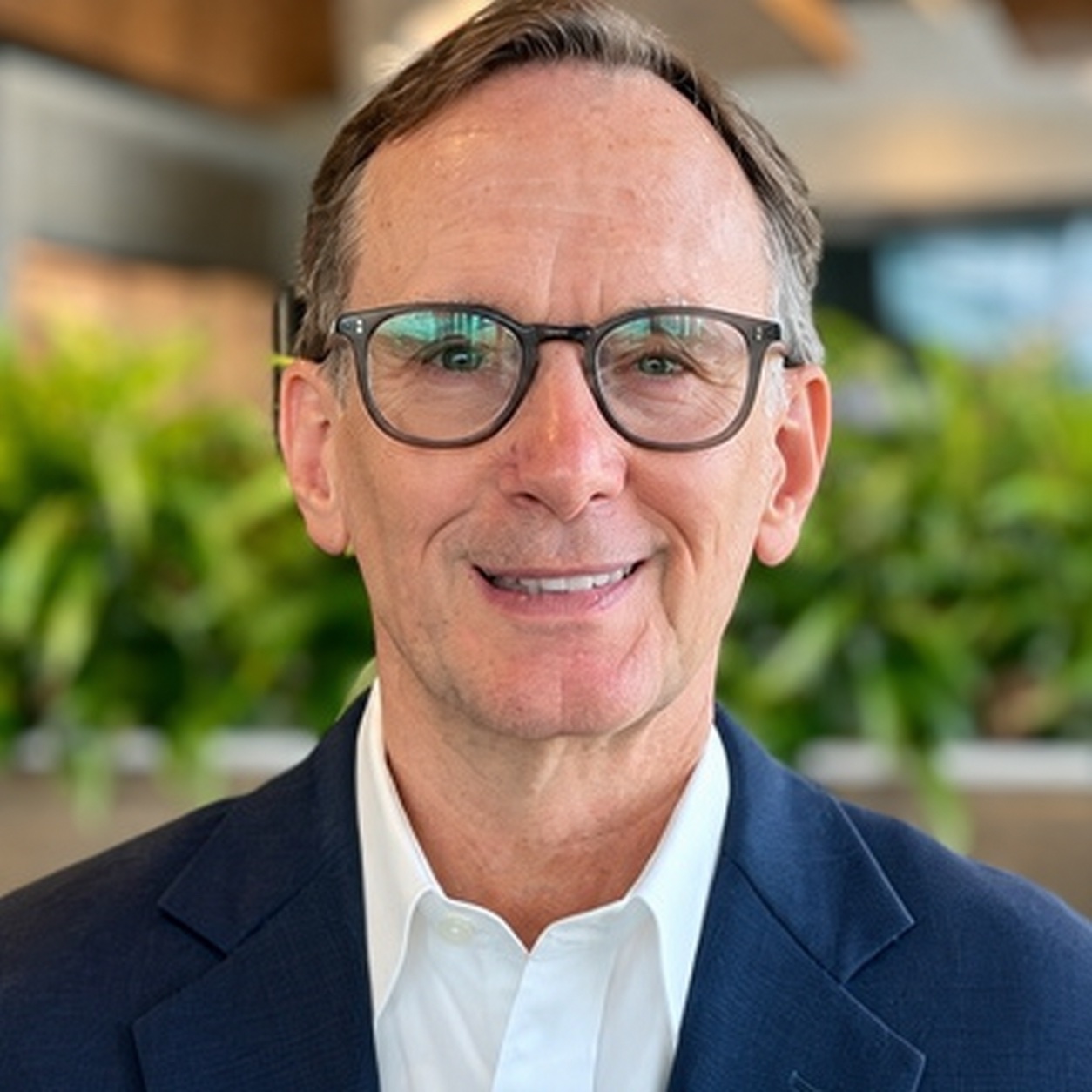
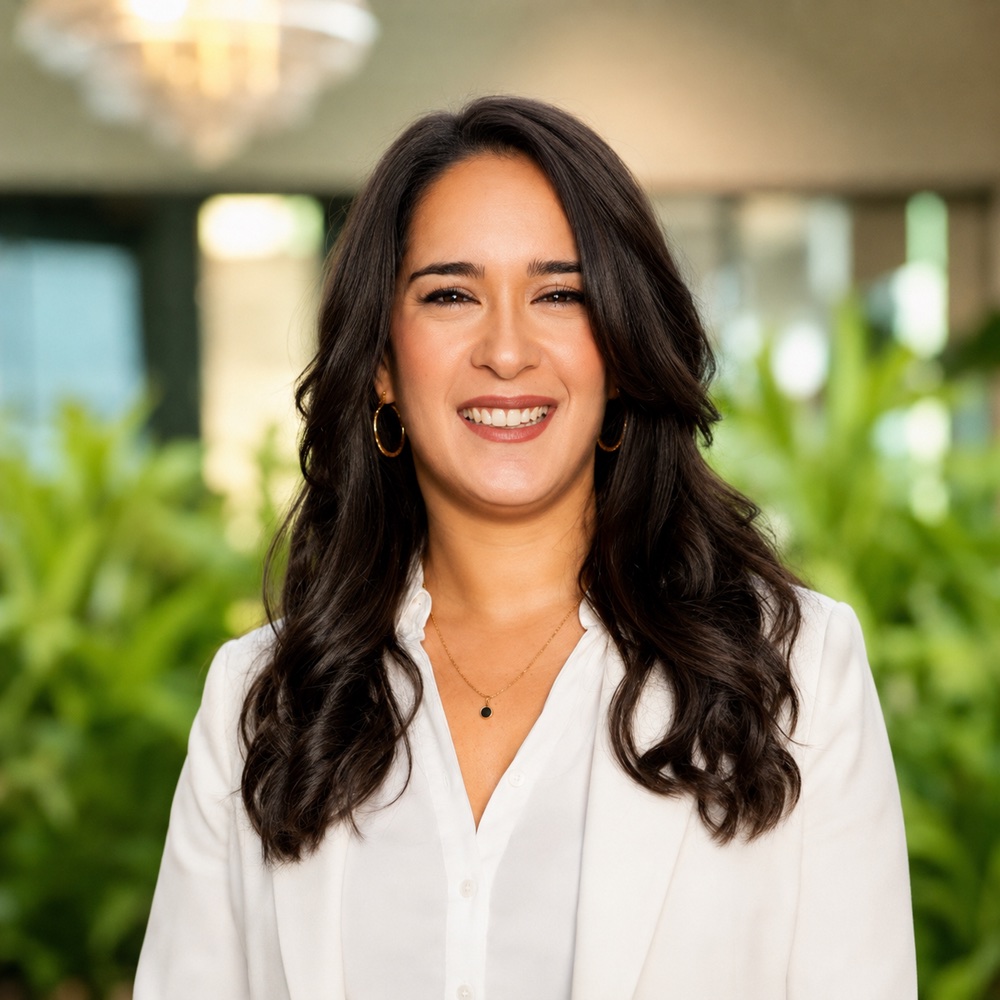
  • Troy

    CEO and finance principal

    MBA
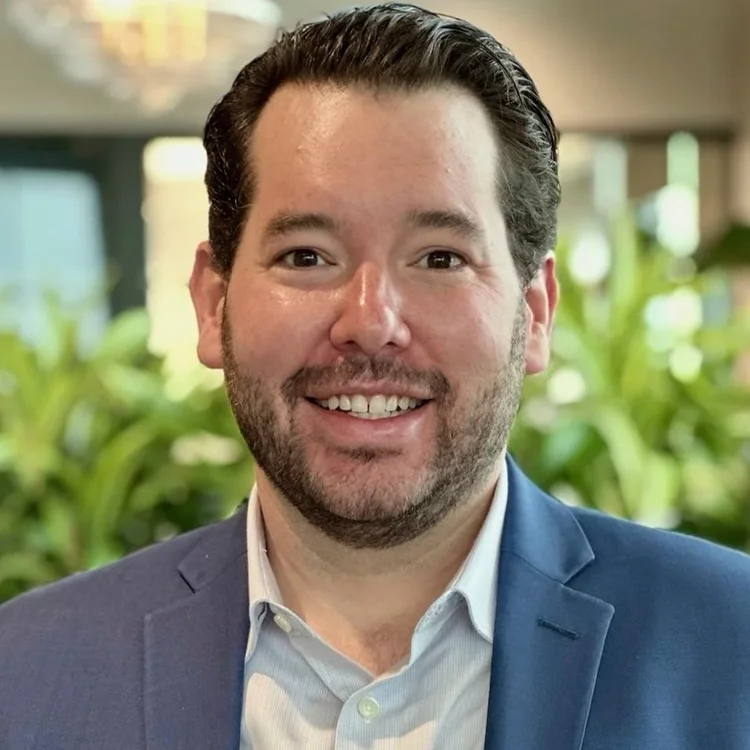
  • Scott

    Growth, access, and ops

    Master’s, Health Care Management
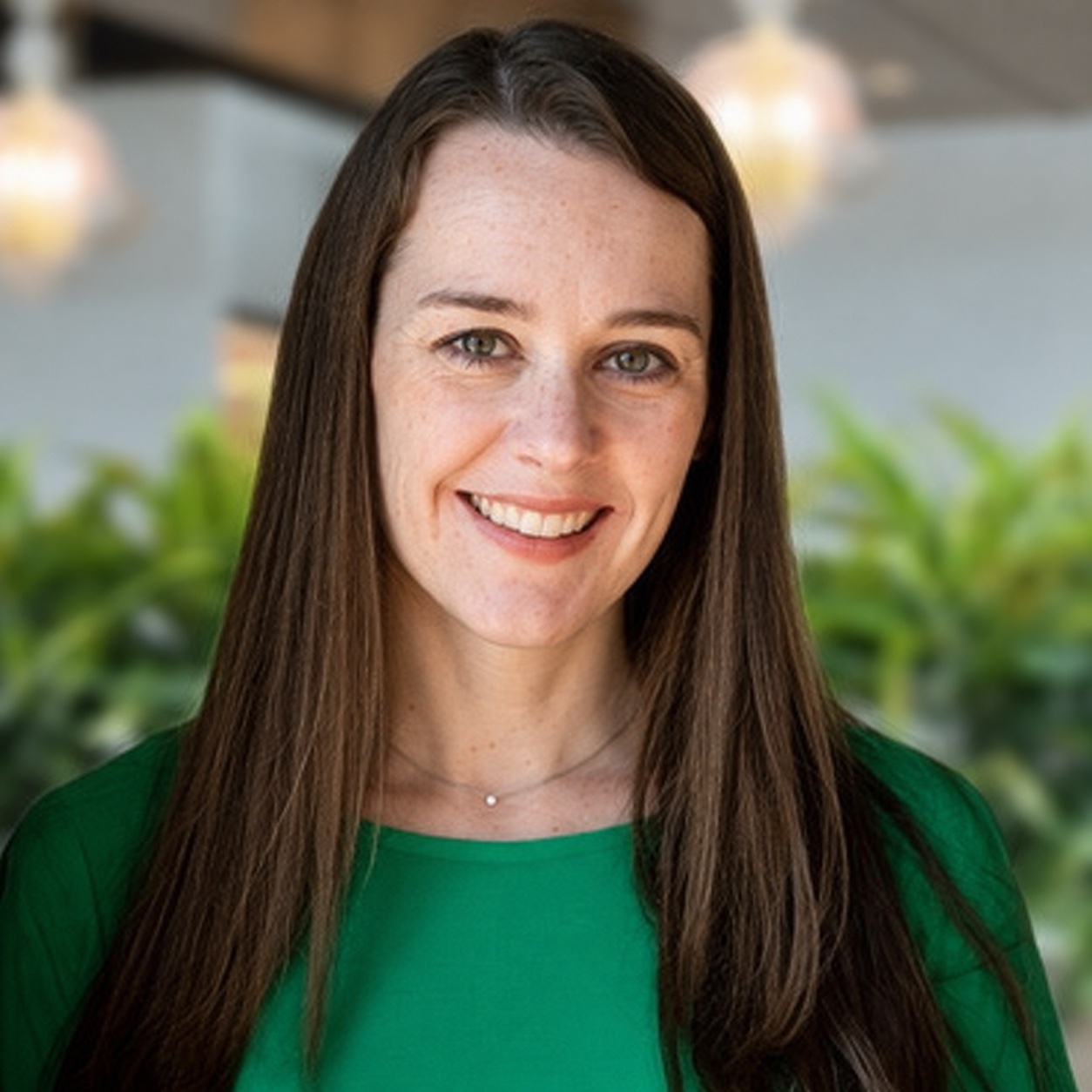
  • Kate

    Tech and AI

    MBA
  • Amy Grenzebach Day, FAHP, CFRE

    Major gift fundraising & capital campaigns

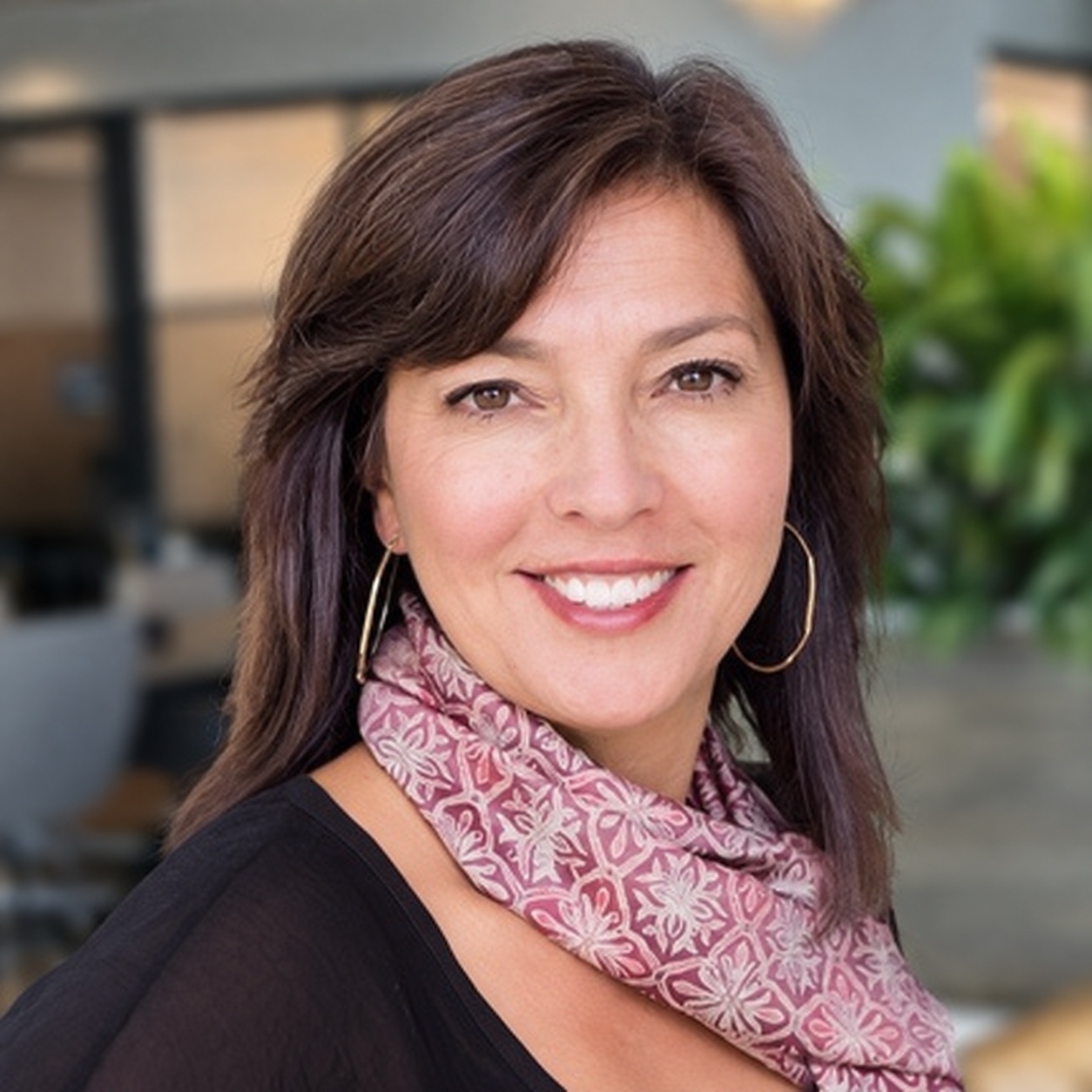
  • Monica

    People ops and org transformation

    Experience at
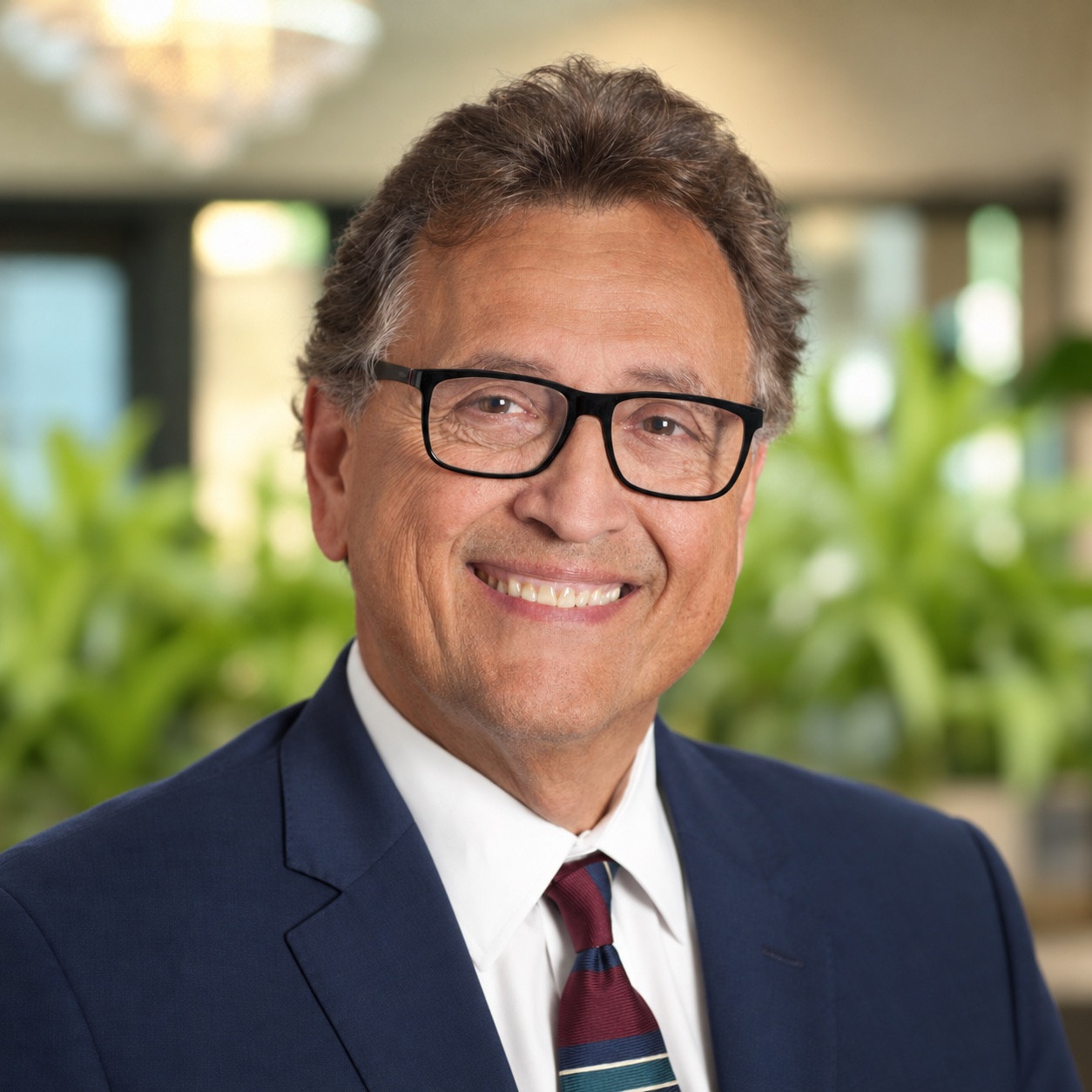
  • Dave

    Turnarounds and interim leadership (fractional CEO, COO)

  1. 01Start with the outcome you need.
  2. 02Identify what is holding it up.
  3. 03Discuss a practical way forward.

Start now

Step 1 of 2

Email us about what you’re working on.

Share what’s on your mind.

We use your details to respond to your inquiry and any follow-up you request.

Website privacy

Updated September 10, 2026

Arden Clark LLC uses the information you share to respond to inquiries, discuss potential engagements, and arrange working sessions. This notice covers this website and its inquiry and booking tools.

Information you provide

An inquiry includes your message, name, work email, role, and organization, plus any optional details you choose to include. You can review and edit your message before sending it. Please do not include patient information or other sensitive personal information.

Messages and appointments

Messages sent through this website are routed through Resend to Arden Clark’s email. If you send a draft from your email app, your email provider handles delivery.

We use iClosed to handle scheduling details and appointments. Its booking form may save an email address or phone number after you leave that field, even if you do not complete a booking. You can contact us directly by email if you prefer.

Submitted information may remain in our email correspondence and scheduling records. If you request a follow-up summary or resources, we use your contact details for that follow-up.

Website services

Our hosting and scheduling providers process technical information, such as IP addresses and browser information, to deliver their services, maintain performance, and prevent abuse. Scheduling tools may also use cookies or similar technologies. You can manage cookies through your browser settings.

More information is available from iClosed, Resend, and Cloudflare.

Questions and requests

Email tgroenke@ardenclark.com with privacy questions, to ask about information you have shared, to request a correction or deletion, or to ask us to stop follow-up messages.

Case study · 1-page PDF · 111 KB

Capital & funding

Moffitt Cancer Center · Speros · Regional coalition

Preparing a $50M federal grant submission.

An integrated federal grant proposal covering five technical projects and ten coalition members.

5
connected projects
10
coalition members
30+
letters of support

The opportunity

The Florida Oncology and Radiopharmaceutical Growth Engine (FORGE) proposal brought together radiopharmaceutical capabilities, facility construction, workforce development, and incubator operations. The coalition needed a cohesive application for the Economic Development Administration’s Industry Transformation Path program on a compressed timeline.

What we did

  • Connected technical, clinical, and operational details to a shared economic narrative.
  • Coordinated budgets, specifications, and documents across the five projects in a shared workspace.
  • Framed clear decisions to streamline executive approvals and keep the submission moving.

What changed

The coalition delivered an on-time EDA ED-900 submission backed by more than 30 letters of support. The work gave partners a unified plan for advancing precision oncology and economic development in Tampa Bay.

The documented outcome is a completed grant submission; the case study does not report a funding award.

The team

Monica Silva Gutierrez · Alexis Lehmann · Matt McCabe · Nora Bergman · Claire Duvallet · Veronica Descotte

Work through a similar priority

Case study · 1-page PDF · 178 KB

Patient access

Mental Health Cooperative · Tennessee

42% admissions growth in 15 months.

A disciplined system connecting outreach, referrals, and intake conversion.

42%
admissions growth
30%
lower acquisition cost
39%
more qualified demand

The opportunity

Mental Health Cooperative, a $120M nonprofit behavioral health system serving communities across Tennessee, faced persistently low admissions despite clear demand for its services. Leadership needed to understand where demand was being lost and build a reliable path from first contact to enrollment.

What we did

  • Defined priority audiences, mapped consumer and referral journeys, and identified intake as the primary conversion constraint.
  • Connected market strategy, outreach, referral development, and intake conversion in one operating model.
  • Introduced pipeline protocols, dashboards, and executive oversight to make performance and ownership visible.

What changed

Annualized admissions rose from 20,604 to 29,148 over 15 months. Call-to-enrollment time fell below 40 minutes. These results were achieved without acquisitions or added headcount.

The team

Scott Palmer · Troy Groenke

Work through a similar priority

Case study · 1-page PDF · 193 KB

Care delivery

Hazelden Betty Ford Foundation

A connected model for lifelong recovery.

Helping teams turn a care vision into shared workflows, decisions, and daily practice.

Care
enterprise model
Teams
shared workflows
Pilot
research coordination

The opportunity

Hazelden Betty Ford Foundation’s Lifelong Recovery initiative sought to connect individual treatment episodes into a guided recovery journey for patients, families, and alumni. The work reached across clinical services, alumni relations, family programming, research, technology, philanthropy, finance, and operations.

What we did

  • Framed the model across first outreach, treatment, discharge planning, recovery coaching, alumni engagement, and long-term support.
  • Co-designed workflows and warm handoffs with frontline teams and organized a research pilot.
  • Established project plans, integrated budgets, decision logs, and management routines to keep the work coordinated.

What changed

The work created a structured model leaders could manage and teams could execute, with clearer departmental alignment and stronger integration across the treatment continuum. The research pilot was designed to measure recovery capital, quality of life, and engagement to inform future decisions about scale, payer value, and policy.

The team

Nora Bergman · Trevyr Meade · Troy Groenke

Work through a similar priority